The Himalayan Tibet Museum Darjeeling: A Window into Tibetan Culture and History

Nestled in the heart of Darjeeling, a small town in the foothills of the Himalayas, lies the Himalayan Tibetan Museum, a treasure trove of Tibetan art, culture, and history. The museum is dedicated to preserving and promoting the rich cultural heritage of Tibet and its people, who have made Darjeeling their home for over half a century.

The museum was founded in 1959 by the late Lama Thubten Namgyal, a Tibetan monk who fled his homeland during the Chinese invasion in 1950. He settled in Darjeeling and established the museum as a way of preserving and showcasing the unique cultural traditions of his people.

Today, the Himalayan Tibet Museum is one of the most important cultural institutions in the region, attracting visitors from all over the world who come to learn about the history, art, and culture of Tibet. The museum is home to a vast collection of artifacts, artworks, and photographs that tell the story of Tibet and its people.


One of the highlights of the museum is the collection of thangkas, traditional Tibetan paintings on cotton or silk that depict Buddhist deities, scenes from the life of the Buddha, and other religious and secular subjects. The thangkas are exquisitely crafted, with intricate details and vibrant colors, and are a testament to the artistic skills of Tibetan craftsmen.

Another fascinating exhibit in the museum is the collection of Tibetan masks, which are used in traditional dance and theater performances. The masks are made of wood, leather, and paper-mache, and are painted in vivid colors and intricate designs. They are a testament to the rich tradition of Tibetan performing arts, which has been kept alive in exile in India.

The museum also houses a collection of photographs and documents that document the history of Tibet, including the Chinese invasion and the subsequent exile of the Dalai Lama and thousands of Tibetans to India. The photographs provide a glimpse into the daily lives of Tibetans in exile and the challenges they face in preserving their culture and identity.

Visitors to the museum can also learn about Tibetan crafts such as weaving, carpet-making, and metalwork, which have been practiced for centuries in Tibet and are still thriving in exile in India. The museum shop sells a range of Tibetan handicrafts, including carpets, shawls, jewelry, and other souvenirs, providing visitors with an opportunity to take home a piece of Tibetan culture.

In addition to its exhibits, the Himalayan Tibetan Museum also hosts a range of cultural events and activities throughout the year, including traditional Tibetan dance and music performances, film screenings, and lectures by experts on Tibetan culture and history.

Miniature 3 D sample of the Potala Palace in the Himalayan Tibet Museum in Darjeeling

The Potala Palace, is a UNESCO World Heritage Site located in Lhasa, the capital of Tibet. It was the chief residence of the Dalai Lama until the 14th Dalai Lama fled to India during the 1959 Tibetan uprising. The palace is a symbol of Tibetan Buddhism and is considered one of the most important cultural and historical landmarks in Tibet.

The Himalayan Tibet Museum in Darjeeling, India, is dedicated to preserving and promoting Tibetan culture and heritage. One of the museum's main attractions is a 3D sample of the Potala Palace.

The 3D sample is a miniature replica of the palace that provides visitors with a unique opportunity to explore the structure and layout of the building in detail. The sample is incredibly intricate and detailed, with all the features of the palace replicated in miniature form.

Visitors can examine the miniature buildings, towers, and courtyards of the palace and gain an appreciation for the scale and complexity of the real thing. The sample is also a useful tool for studying the architecture and design of the palace, and for understanding the cultural and historical significance of the site.

Overall, the 3D sample of the Potola Palace in the Himalayan Tibet Museum in Darjeeling is a fascinating and informative exhibit that offers visitors a chance to learn about and appreciate Tibetan culture and heritage.

Miniature of Potala Palace Tibet


Time To Visit Himalayan Tibet Museum 

The Himalayan Tibetan Museum in Darjeeling is open to visitors every day of the week, except on Tuesdays. The museum is open from 9:00 am to 5:00 pm on all other days, including weekends and public holidays.

It is worth noting that the museum may close for certain events or occasions, so it is advisable to check the museum's website or call ahead to confirm their schedule before planning your visit.

In addition to regular visiting hours, the museum also hosts various cultural events and activities throughout the year, including traditional Tibetan dance and music performances, film screenings, and lectures by experts on Tibetan culture and history. These events may have different timings and may require separate admission tickets, so it is important to check the museum's website or social media pages for the latest updates on their events calendar.

Ticket price for the Himalayan Tibet Museum Darjeeling 

The entry fee for the Himalayan Tibet Museum in Darjeeling is INR 50 per person for Indian citizens and INR 100 per person for foreign nationals. However, there may be additional charges for certain exhibitions or events hosted by the museum.

Students with a valid ID card are eligible for a discounted entry fee of INR 25 per person, while children under the age of five are allowed to enter for free.

It is worth noting that these prices are subject to change and may be different during peak tourist seasons. Additionally, the museum may offer special group rates for schools, colleges, or other organizations, so it is advisable to contact the museum directly for more information on group bookings or special rates.


How big Darjeeling Himalayan Tibet Museum is? 

The Himalayan Tibet Museum in Darjeeling is not a very large museum, but it houses a significant collection of Tibetan art, culture, and history. The museum is housed in a two-story building and has a total exhibition space of around 2500 square feet.

The museum's collection includes a range of artifacts, artworks, photographs, and documents, including thangkas, masks, textiles, metalwork, and other traditional Tibetan handicrafts. The museum also has a library and a research center, which houses a collection of books, manuscripts, and other materials related to Tibetan culture and history.

Despite its relatively small size, the museum offers visitors a comprehensive and immersive experience, with informative exhibits, interactive displays, and engaging cultural events and activities. The museum's knowledgeable staff are also available to answer questions and provide insights into Tibetan culture and history, making it a must-visit destination for anyone interested in learning more about this fascinating and vibrant culture.


In Conclusion, The Himalayan Tibet Museum in Darjeeling is a fascinating and inspiring destination that offers visitors a unique glimpse into the rich and vibrant culture and history of Tibet. From its extensive collection of artifacts and artworks to its engaging cultural events and interactive displays, the museum offers a comprehensive and immersive experience that is sure to leave a lasting impression on visitors.

Through its exhibits and programs, the museum not only celebrates the beauty and diversity of Tibetan culture but also educates and raises awareness about the challenges faced by Tibetans in preserving their heritage and identity in a rapidly changing world.

Whether you are a student of Tibetan culture, an art lover, or simply curious about the world and its many fascinating cultures, the Himalayan Tibetan Museum is a destination that should not be missed. With its knowledgeable staff, stunning exhibits, and rich cultural offerings, it is truly one of the most impressive and inspiring museums in the region.

Read: Roar with Wonder at Darjeeling Zoo


Roar with Wonder at Darjeeling Zoo: A Must-Visit Destination for Wildlife Lovers!

Darjeeling Zoo, also known as Padmaja Naidu Himalayan Zoological Park, is a popular tourist attraction located in the beautiful hill station of Darjeeling in the Indian state of West Bengal. The zoo is situated at an altitude of 7,000 feet above sea level and covers an area of 67.56 acres. It was established in 1958 and is home to a wide variety of animals and birds, including several endangered species.

One of the unique features of Darjeeling Zoo is its focus on conservation and breeding programs for endangered Himalayan species. The zoo has successfully bred animals like the snow leopard, red panda, Tibetan wolf, and Himalayan Thar, which has contributed significantly to their conservation efforts. It has also played a vital role in educating visitors about the importance of wildlife conservation and the need to protect endangered species.

Darjeeling Zoo is also known for its stunning natural beauty, with lush green forests and snow-capped mountains in the background. Visitors can enjoy a peaceful walk around the zoo and admire the beautiful surroundings while watching the animals. The zoo is home to several species of animals, including the Himalayan black bear, red panda, clouded leopard, leopard cat, Royal Bengal Tiger, Tibetan wolf, and several species of deer.


Apart from the animal exhibits, the zoo also has a large aviary where visitors can see a variety of birds, including pheasants, partridges, and Himalayan Monals. There is also a large aquarium that showcases different species of fish and other aquatic creatures found in the Himalayan region.

The zoo also has a small museum that displays a collection of Himalayan fauna, including the different types of birds, animals, and insects found in the region. The museum also has a collection of different plant species found in the Himalayas, including medicinal plants and rare herbs.

Let's look into some of the key animals, birds, and trees that you can find at the Darjeeling Zoo:

Animals:


  1. Red Panda: The Darjeeling Zoo is famous for its red pandas, which are native to the eastern Himalayas. These small, arboreal animals have distinctive red fur and are listed as endangered due to habitat loss and poaching.
  2. Snow Leopard: The snow leopard is a large cat that is adapted to living in the high mountains of Central Asia. It is listed as vulnerable due to habitat loss and poaching, and the Darjeeling Zoo is involved in breeding programs to help preserve the species.
  3. Himalayan Black Bear: The Himalayan black bear is a subspecies of the Asian black bear that is found in the Himalayas. It is listed as vulnerable due to habitat loss and hunting, and the Darjeeling Zoo has a breeding program for this species as well.
Rare Himalayan Monal 
Birds:

  1.  Himalayan Monal: The Himalayan monal is a brightly colored bird that is native to the Himalayas. It has a distinctive metallic green head and neck, with a bright red beak and a long, colorful tail.

  2. Satyr Tragopan: The satyr tragopan is another colorful bird that is native to the Himalayas. The males have bright orange and red plumage, while the females are more muted in color.

  3. Blood Pheasant: The blood pheasant is a medium-sized bird that is native to the high altitudes of the eastern Himalayas. It has a distinctive bright red head and upper breast, with brown and grey plumage on the rest of its body.

Rhododendrons


Trees:

  1.  Rhododendrons: The Darjeeling Zoo is home to many species of rhododendron, which are flowering shrubs and trees that are native to the Himalayas. They have large, showy flowers in shades of pink, red, and white.
  2. Oak trees: Oak trees are also common in the Darjeeling Zoo. These trees are important for their wood, which is used for furniture and construction, as well as for their acorns, which are a food source for many animals.
  3. Deodar Cedar: The deodar cedar is a large coniferous tree that is native to the western Himalayas. It is valued for its durable wood, which is used for building and carving, and its resin, which is used for incense and perfumes.


The Best Time to Visit Darjeeling Zoo

The best time to visit Darjeeling Zoo is during the months of March to May and September to November. During these months, the weather is pleasant, and the animals are most active. The temperature during these months ranges from 10°C to 20°C, making it a comfortable time to explore the zoo.

Visiting during the monsoon season, which is from June to August, is not recommended as heavy rainfall can make it difficult to move around the zoo. Similarly, during the winter months of December to February, the temperature can drop to sub-zero levels, making it uncomfortable for visitors to explore the zoo.

It is also recommended to avoid visiting the zoo during weekends and public holidays as it can get crowded, making it difficult to enjoy the experience. Therefore, visiting the zoo during the weekdays is recommended for a better experience.

Read Best Time To Visit Darjeeling and Gangtok


Canteen inside the Zoo

The canteen inside Darjeeling Zoo, is a popular spot for visitors to take a break and enjoy some refreshments during their visit.

The canteen is located near the entrance of the zoo and offers a variety of snacks, beverages, and light meals at reasonable prices. The menu includes items like sandwiches, burgers, fries, momos, noodles, and tea or coffee. There are also a few vegetarian options available.

The seating area of the canteen is simple but clean and offers a pleasant view of the surrounding hills and forest. The prices of the food items are reasonable, and the quality of the food is generally good. Visitors can take a break from their zoo visit, relax and enjoy the snacks while admiring the beautiful surroundings.

The canteen also provides a much-needed respite for visitors who may have spent a few hours walking around the zoo and need a quick break before continuing their tour. It's an ideal place to recharge before exploring the rest of the zoo.

One thing to keep in mind is that the canteen can get quite crowded during peak visiting hours, particularly on weekends and holidays. Visitors may need to wait in line to order food, and seating may be limited. However, the staff is generally efficient, and the service is quick.

In summary, the canteen inside Darjeeling Zoo provides visitors with a convenient and affordable option for food and refreshments during their visit. The menu offers a variety of snacks and light meals, and the seating area provides a pleasant view of the surrounding hills and forest. Whether you're looking for a quick snack or a place to take a break and relax, the canteen is definitely worth a visit.


Zoo Entry Fee

The ticket price for Darjeeling Zoo, varies depending on the age and nationality of the visitor. The ticket prices are as follows:


Indian citizens: Adults - Rs. 60, 

Children (Below 1-5 years)- Free

(Above 5-12 years) - Rs. 60

Foreign nationals: Adults - Rs. 100, 

Children (5-12 years) - Rs. 50

Please note that these prices are subject to change and may differ from the current prices. Additionally, some activities and exhibits within the zoo may require an additional fee. It's always best to confirm the current prices and any additional fees before visiting the zoo.

Darjeeling Zoo, is a stunning example of conservation efforts in India. Home to a diverse range of endangered species, including the majestic snow leopard, red panda, and Himalayan wolf, the zoo is a testament to the importance of preserving wildlife and their habitats.

Through its breeding programs and educational initiatives, Darjeeling Zoo plays a vital role in raising awareness about the threats faced by endangered species and promoting the need for their conservation. The zoo's efforts have also helped to protect the fragile ecosystems of the Himalayan region, making it a crucial player in the fight against climate change.


In conclusion, Darjeeling Zoo is not only a beautiful and fascinating destination for visitors, but also a crucial player in the conservation of some of the world's most endangered species. Through its tireless efforts, the zoo is making a significant impact on the preservation of biodiversity, and serves as an inspiring example for other institutions around the world.

Read " Explore the 7 top Most Visited Places in Darjeeling"


Keventer's: Where the Mountains Meet the Plate

Keventer's Restaurant is a renowned establishment located in Darjeeling, a picturesque hill station in the Indian state of West Bengal. Established in 1928 by Edward Keventer, a Swiss businessman, the restaurant has a rich history and has been a popular destination for locals and tourists alike.

The restaurant is known for its old-world charm and colonial-style architecture, which is a reminder of Darjeeling's past as a British hill station. The restaurant's interior is adorned with vintage decor and photographs, creating a nostalgic atmosphere that transports guests back in time.

Keventer's Restaurant is famous for its delicious breakfast menu, which includes traditional English breakfast items such as bacon, eggs, and toast, as well as Indian dishes like masala omelette and chai. The restaurant also serves a variety of other dishes throughout the day, including burgers, sandwiches, and desserts.

The restaurant's prime location in the heart of Darjeeling's bustling town center makes it a popular spot for people watching and taking in the sights and sounds of the town. With its rich history and delicious food, Keventer's Restaurant is a must-visit destination for anyone traveling to Darjeeling.


Keventer's restaurant Darjeeling English Breakfast

The restaurant's English breakfast is a classic meal that consists of a variety of delicious and filling items. The meal typically includes fried eggs, bacon, sausages, baked beans, grilled tomatoes, toast, and a hot cup of Darjeeling tea.

 One of the standout features of Keventer's English breakfast is the quality of the ingredients used. The eggs are always fresh, the bacon is thick and juicy, and the sausages are made in-house using a secret recipe that has been passed down through generations.

 In addition to the quality of the food, another reason why Keventer's English breakfast is so popular is the restaurant's location. Situated in the heart of Darjeeling, Keventer's offers stunning views of the Himalayan mountains and the surrounding valleys. Visitors can enjoy their breakfast while taking in the breathtaking scenery, making for an unforgettable dining experience.

Overall, Keventer's English breakfast is a must-try for anyone visiting Darjeeling. The combination of high-quality ingredients, delicious flavors, and stunning views make it one of the most iconic meals in the region.


Must Try Menu 

The menu at Keventers is extensive, with a range of Indian, Chinese, and continental dishes to choose from. The restaurant is particularly known for its traditional Indian cuisine, which includes a variety of curries, biryanis, and tandoori dishes.

One of the most popular dishes at Keventers is their Chicken Tikka Masala, which is made with succulent pieces of chicken cooked in a rich and creamy tomato-based sauce. Another must-try dish is the Mutton Rogan Josh, a Kashmiri specialty made with tender pieces of lamb cooked in a spicy tomato and onion-based gravy.

For those who prefer Chinese cuisine, Keventers offers a range of dishes like Fried Rice, Hakka Noodles, and Manchurian. The restaurant also serves a variety of vegetarian dishes, including Paneer Tikka Masala, Dal Makhani, and Aloo Gobi.

The desserts at Keventers are equally delicious, with options like Gulab Jamun, Ras Malai, and Mango Ice Cream. The restaurant also serves a range of hot and cold beverages, including tea, coffee, and fresh juices.

In addition to its delicious food, Keventers is also known for its stunning views. The restaurant is located on the top floor of a building, which offers panoramic views of the Himalayan mountains and the surrounding valleys. Customers can enjoy their meals while taking in the breathtaking scenery, making for a truly memorable dining experience.


The ambience 

The ambience of Keventers restaurant is one of its standout features, offering a cozy and inviting atmosphere that complements its delicious food and stunning views.

As you enter the restaurant, you'll be greeted by warm lighting and a rustic decor that reflects the local culture and heritage of Darjeeling. The walls are adorned with traditional paintings and photographs of the region, giving the space a charming and authentic feel.

The seating at Keventers is comfortable and spacious, with both indoor and outdoor options available. The indoor seating is cozy and intimate, with wooden tables and chairs that are arranged to accommodate groups of various sizes. 

The outdoor Roof Top seating, located on the terrace, offers a stunning view of the surrounding mountains and valleys, making it the perfect spot to enjoy a meal while taking in the breathtaking scenery.

The restaurant's overall ambiance is welcoming and relaxed, making it an ideal spot to unwind and enjoy a delicious meal with friends and family. The staff at Keventer's are friendly and attentive, always ready to assist customers with any requests or inquiries they may have.

One of the standout features of the restaurant's ambiance is the soothing background music that plays throughout the space. The music, which is a blend of traditional and contemporary tunes, adds to the overall atmosphere of the restaurant and creates a relaxing and enjoyable dining experience.

Overall, the ambiance of Keventer's restaurant is warm and inviting, with a charming décor, comfortable seating, and stunning views of the surrounding mountains. Whether you're looking to enjoy a romantic dinner for two or a meal with friends and family, Keventer's is the perfect spot to savor delicious food and create lasting memories in a welcoming and relaxing atmosphere.


Keventer's most popular dishes

Keventer's is famous for its mouth-watering platter, which is a delicious combination of some of the restaurant's most popular dishes.

The platter at Keventer's is designed to offer customers a sampling of the restaurant's signature dishes, including both vegetarian and non-vegetarian options. It's the perfect choice for those who want to taste a variety of dishes without having to order multiple items from the menu.

The non-vegetarian platter at Keventer's includes a range of delicious dishes, such as Chicken Tikka, Mutton Kebab, Fish Fry, and Chicken Curry. Each of these dishes is cooked to perfection, with tender meat and a range of aromatic spices that create a flavorful and satisfying meal.

For vegetarians, the platter at Keventer's includes dishes like Paneer Tikka, Veg Momos, Aloo Gobi, and Chana Masala. These dishes are equally delicious, with a range of fresh and flavorful ingredients that create a satisfying and well-rounded meal.

In addition to the main dishes, the platter also includes a range of accompaniments, such as rice, naan bread, and raita. These sides perfectly complement the main dishes, offering a complete and satisfying dining experience.

The platter at Keventer's is also served in generous portions, making it ideal for sharing among a group of friends or family. It's the perfect choice for those who want to try a range of dishes and experience the full range of flavors that the restaurant has to offer.

Overall, the platter at Keventer's is a must-try for anyone visiting the restaurant. With its delicious combination of signature dishes and generous portions, it's the perfect way to sample the best of what the restaurant has to offer and create a truly memorable dining experience.


How expensive Keventer's is? 

Keventer's is a mid-range restaurant in terms of pricing, with prices that are reasonable and affordable for most people.

The prices at Keventer's vary depending on the dish, with vegetarian dishes generally being less expensive than non-vegetarian dishes. For example, a vegetarian main course at Keventer's typically costs between INR 150 to INR 250, while a non-vegetarian main course can cost between INR 250 to INR 400.

Appetizers and snacks at Keventer's are also reasonably priced, with prices ranging from INR 80 to INR 200. Desserts are similarly priced, with prices ranging from INR 80 to INR 150.

Overall, the prices at Keventer's are very reasonable, especially considering the high quality of the food and the stunning views that the restaurant offers. While it's not the cheapest option in Darjeeling, it's certainly not the most expensive either, making it a great choice for those looking for a delicious meal that won't break the bank.

It's worth noting that prices at Keventer's may vary slightly depending on the time of year and the availability of certain ingredients. However, in general, the restaurant offers great value for money and is well worth a visit for anyone looking to enjoy some delicious food in a beautiful setting.


In conclusion, Keventer's Restaurant is a charming and historic establishment that has been a beloved destination for locals and tourists alike in Darjeeling for over a century. With its stunning views of the Himalayas, relaxed atmosphere, and delicious food, it is no surprise that Keventer's has become an iconic institution in the town.

The restaurant's menu offers a range of classic and contemporary dishes, with a particular emphasis on breakfast and brunch items. Visitors can enjoy everything from hearty omelets and pancakes to light salads and sandwiches, as well as a variety of hot and cold beverages.

While Keventer's may not be the most luxurious or high-end dining experience in Darjeeling, it is certainly one of the most memorable and authentic. Its cozy interiors, friendly service, and unbeatable location make it a must-visit destination for anyone exploring the town's vibrant food scene.

Overall, Keventer's Restaurant is a true gem that encapsulates the charm and character of Darjeeling, and is a testament to the enduring power of good food, great views, and warm hospitality.

Read about Glenary's restaurant 


Crowning Glory of Indian Tea: Unraveling the Exquisite Delight of Darjeeling, The Champagne of Teas!

Darjeeling, a picturesque town nestled in the foothills of the Himalayas, is famous for its tea, which is widely regarded as the Champagne of teas. The reasons behind this title are many, and in this post, we'll explore the history and characteristics of Darjeeling tea that make it stand out.

History of Darjeeling Tea

Tea was first cultivated in Darjeeling in the mid-19th century by the British, who were looking for a suitable place to grow tea outside of China. The first tea garden was established in Darjeeling in 1856, and within a few years, the tea produced in this region gained popularity for its unique flavor and aroma.

By the early 20th century, Darjeeling tea had become a household name in Europe and was exported to countries all over the world. Today, Darjeeling tea is one of the most sought-after teas in the world, with a global market that values its unique taste and high quality.


Characteristics of Darjeeling Tea

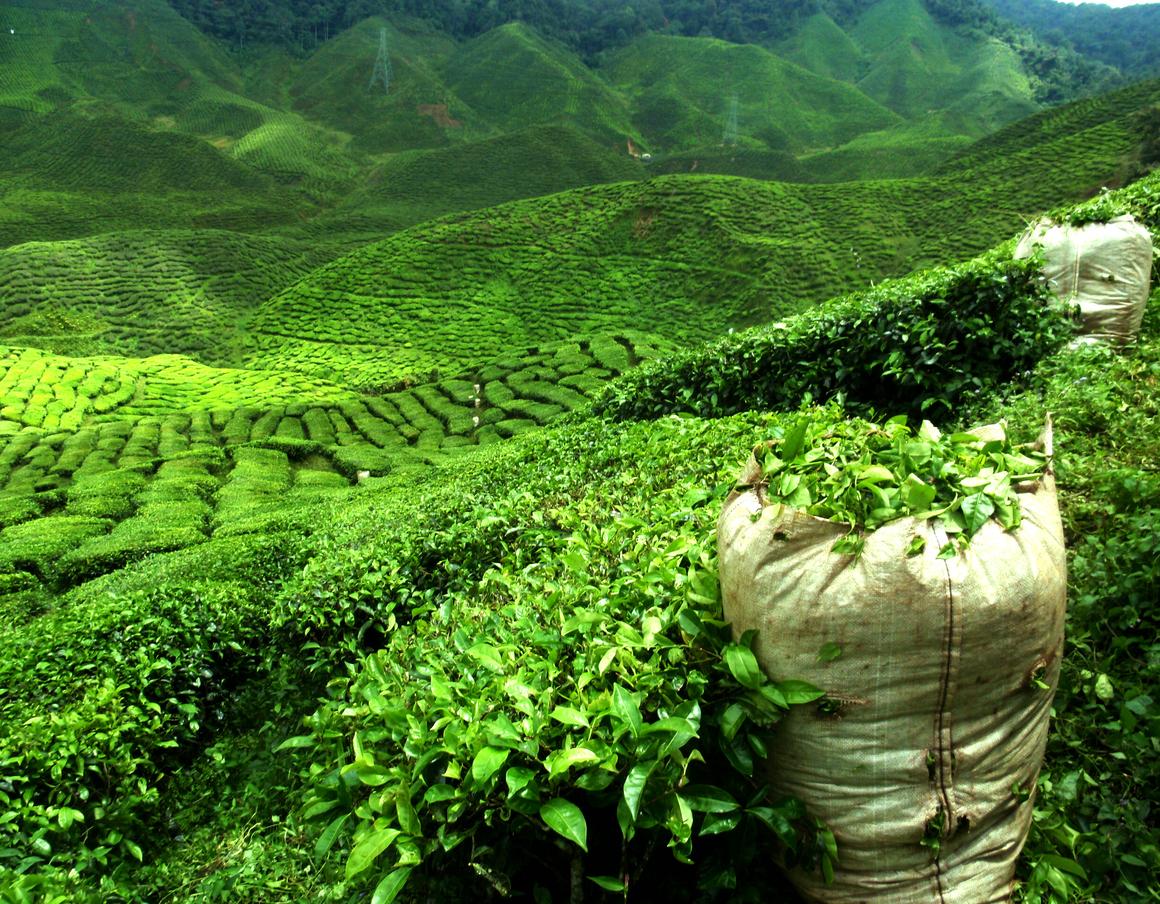
Darjeeling tea is grown in the misty foothills of the Himalayas, where the cool, humid climate and rich soil create ideal conditions for tea cultivation. The tea is grown at an altitude of between 600 and 2000 meters above sea level, and the plants are subjected to a wide range of temperatures and rainfall throughout the year. These factors, combined with the unique terroir of the region, give Darjeeling tea its distinctive flavor and aroma.

Darjeeling tea is made from the small-leaved Camellia sinensis var. sinensis plant, which is known for its delicate flavor and aroma. The leaves are harvested by hand, and the processing of the tea is a delicate and labor-intensive process that requires great skill and expertise. The leaves are withered, rolled, oxidized, and dried to create the distinctive Darjeeling flavor and aroma.

The flavor of Darjeeling tea is often described as light and floral, with a delicate muskiness that is unique to the region. The aroma is also distinctive, with a floral and fruity character that is reminiscent of the Himalayan forests that surround the tea gardens. The tea has a light, golden color and a smooth, refreshing taste that is perfect for drinking on its own or with a light meal.


Why Darjeeling Tea is Called the Champagne of Teas

The title of the Champagne of teas is not just a marketing gimmick but is a reflection of the unique characteristics of Darjeeling tea. Just like Champagne, Darjeeling tea is known for its unique terroir, which gives it a distinctive flavor and aroma that cannot be replicated anywhere else in the world. Just as Champagne can only be called Champagne if it is produced in the Champagne region of France, Darjeeling tea can only be called Darjeeling tea if it is produced in the Darjeeling district of West Bengal, India.

Darjeeling, a small town located in the foothills of the Himalayas in India, is renowned for producing some of the finest teas in the world. The tea grown in Darjeeling is often referred to as the "Champagne of Teas," a term that connotes the tea's exceptional quality, delicacy, and complexity. In this article, we'll delve into the reasons why Darjeeling tea is given this prestigious title.


Unique Terroir

  1. Darjeeling tea is grown in a region that boasts a unique microclimate and soil composition, which are essential factors in creating the tea's exceptional taste. The high altitude, cool temperatures, and abundant rainfall provide an ideal growing environment for tea bushes. The tea leaves also absorb essential minerals from the soil, resulting in a distinct aroma and flavor that sets it apart from other teas.

  2. Exclusive Harvesting

    Darjeeling tea is harvested only during certain times of the year, making it an exclusive and highly sought-after beverage. The first flush, which is the first picking of the tea leaves in the spring, produces a light, delicate flavor that is highly prized by tea connoisseurs. The second flush, which occurs during the summer, produces a darker, fuller-bodied tea with a distinctive muscatel flavor. The autumn flush is the final harvest of the year and produces a tea with a bold and earthy taste.

  3. Hand-Picked Leaves

    Darjeeling tea is harvested entirely by hand, which is a time-consuming and labor-intensive process. This means that only the finest tea leaves are selected, ensuring that the tea has a superior taste and aroma. The hand-picking process also allows for greater quality control, as any leaves that are damaged or of poor quality can be discarded.


  4. Limited Production

    Darjeeling tea is produced in limited quantities, with only about 10,000 tons being produced each year. This makes it a highly sought-after and exclusive tea. The limited production is due to several factors, including the small size of the tea gardens in Darjeeling, the labor-intensive hand-picking process, and the short growing season.

  5. Distinctive Flavor Profile

    Darjeeling tea has a distinctive flavor profile that sets it apart from other teas. It has a light, floral aroma and a delicate, fruity flavor with a hint of astringency. The taste of Darjeeling tea can vary depending on the time of year it is harvested, with the first flush (the first harvest of the year) being the most highly prized. The first flush has a lighter, more delicate flavor, while the second flush (harvested later in the season) has a fuller, more robust flavor.

  6. Global Recognition

    Darjeeling tea has been recognized as a Geographical Indication (GI) product, meaning that only tea produced in the Darjeeling region can legally be called "Darjeeling tea." This has helped to protect the reputation of Darjeeling tea and ensure that only high-quality tea is sold under the Darjeeling name. Darjeeling tea has also won numerous awards and accolades over the years, cementing its reputation as one of the finest teas in the world.

  7. Quality Control

    To ensure that Darjeeling tea maintains its high standards, it is subject to strict quality control measures. The tea must meet specific criteria to be considered genuine Darjeeling tea. For example, it must be grown in the Darjeeling district of West Bengal, India, and must be produced from the Camellia Sinensis plant. The tea is also subject to a rigorous tasting process by expert tasters to ensure that it meets the flavor and aroma characteristics of Darjeeling tea.


In conclusion, Darjeeling tea is rightly referred to as the "Champagne of Teas" for its unmatched aroma, unique flavor, and exquisite quality. The tea plantations located in the picturesque hills of Darjeeling produce some of the finest and most sought-after teas in the world. The distinct terroir of the region, combined with the skilled expertise of the tea growers and producers, results in a tea that is unparalleled in taste and aroma. Whether enjoyed on its own or paired with delicate pastries or savory snacks, Darjeeling tea is truly a beverage fit for royalty. So, next time you sip a cup of Darjeeling tea, savor its subtle nuances and appreciate the craftsmanship and heritage that goes into producing this luxurious tea.


Experience the Majestic Flavor of Darjeeling: The Champagne of Teas!

Darjeeling tea is a type of tea that comes from the Darjeeling district in West Bengal, India. It is considered to be one of the finest teas in the world, known for its unique flavor, aroma, and light color. In this post, we will explore the history, cultivation, processing, and taste of Darjeeling tea. 

History of Darjeeling Tea

Darjeeling tea was first cultivated in the mid-19th century when the British established tea gardens in the region. The first tea garden was established in 1856 by Dr. Campbell, a civil surgeon, in the village of Darjeeling. The tea plantations were later taken over by private companies, and today, there are around 87 tea gardens in Darjeeling that produce this exquisite tea.


Cultivation of Darjeeling Tea

Darjeeling tea is grown in the foothills of the Himalayas at an altitude of 2,000 to 6,000 feet above sea level. The unique terroir of the region, with its high elevation, cool temperatures, and abundant rainfall, creates ideal growing conditions for the tea plants. The tea gardens in Darjeeling are typically small, family-owned operations( currently mostly company owned) that use traditional methods of cultivation, including hand-plucking the leaves.

Processing of Darjeeling Tea

After the tea leaves are hand-plucked, they are withered in the sun or in a warm, dry room for several hours. The withered leaves are then rolled, which releases their juices and helps to form the characteristic shape of Darjeeling tea. The leaves are then allowed to ferment, a process that develops the flavor and aroma of the tea. Finally, the leaves are fired to stop the fermentation process and to dry them.


Taste of Darjeeling Tea

Darjeeling tea is known for its delicate flavor and floral aroma. The tea has a light, golden color and a subtle astringency. The taste of Darjeeling tea can vary depending on the time of year it is harvested and the specific tea garden where it was grown. First flush Darjeeling tea, harvested in the spring, is known for its fresh, grassy flavor, while second flush Darjeeling tea, harvested in the summer, has a more mature flavor with notes of fruit and muscatel.

Types of Darjeeling Tea

There are several different types of Darjeeling tea, including:

  1.  Black Darjeeling Tea - This is the most common type of Darjeeling tea. It has a bold flavor and is often enjoyed with milk and sugar.
  2. Green Darjeeling Tea - This type of Darjeeling tea is unoxidized, which gives it a milder flavor and a light green color.
  3. White Darjeeling Tea - This is the rarest type of Darjeeling tea. It is made from the youngest leaves and has a delicate flavor with a subtle sweetness.
  4. Oolong Darjeeling Tea - This type of Darjeeling tea is partially oxidized, which gives it a unique flavor that is somewhere between black and green tea.

Darjeeling tea is one of the most renowned teas in the world, known for its unique flavor and aroma. This tea is harvested in different flushes, each with its distinctive taste and aroma. Now we will explore the first flush, second flush, and third flush of Darjeeling tea.


First Flush Darjeeling Tea

First flush Darjeeling tea is harvested in the spring, typically between March and May. The tea leaves are hand-plucked from the tea bushes that have been dormant during the winter. As a result, the leaves are tender and have a fresh, delicate flavor with floral and vegetal notes. First flush Darjeeling tea has a light, golden color and a subtle astringency. This tea is often referred to as the champagne of teas, and it is highly sought after by tea enthusiasts around the world.

Second Flush Darjeeling Tea

Second flush Darjeeling tea is harvested in the summer, typically between May and June. The tea bushes have been growing for several months and are more mature, which results in a richer and more complex flavor profile. Second flush Darjeeling tea has a full-bodied flavor with notes of fruit and muscatel. The color of the tea is deeper, with a reddish-brown hue. This tea is often enjoyed without milk or sugar to fully appreciate its unique taste and aroma.

Third Flush Darjeeling Tea

Third flush Darjeeling tea is harvested in the autumn, typically between October and November. The leaves have been growing for several months, and the tea bushes have experienced a second growth spurt. As a result, the leaves are more mature, and the flavor of the tea is more robust. Third flush Darjeeling tea has a darker color and a stronger, more assertive flavor with notes of wood and spice. This tea is often enjoyed with milk and sugar to balance out its strong flavor.


Factors Affecting the Quality of Darjeeling Tea Flushes

The quality of Darjeeling tea flushes can vary depending on several factors, including:

  1.  Weather - The weather can significantly impact the quality of Darjeeling tea flushes. For example, a dry winter can result in a low yield of first flush tea, while heavy rains during the second flush can impact the flavor and aroma of the tea.
  2. Altitude - The altitude at which the tea is grown can affect the quality of the tea. Tea grown at higher altitudes tends to have a more delicate flavor and aroma.
  3. Soil - The soil in which the tea is grown can affect the taste of the tea. The mineral content of the soil can impact the tea's flavor profile.

In conclusion, Darjeeling tea is a unique and exquisite tea that is enjoyed by tea enthusiasts around the world. Its delicate flavor and floral aroma make it a favorite among those who appreciate the finer things in life. Whether you prefer black, green, white, or oolong tea, Darjeeling tea is sure to delight your taste buds and transport you to the beautiful tea gardens of the Darjeeling district in India.

Really, Darjeeling tea is a highly prized tea that is known for its delicate flavor and floral aroma. It is a unique and exquisite tea that is harvested in different flushes throughout the year. First flush Darjeeling tea is known for its fresh, delicate flavor, while second flush Darjeeling tea has a richer, more complex flavor profile. Third flush Darjeeling tea is more robust and assertive. The quality of each flush can be affected by several factors, including weather, altitude, and soil. Regardless of which flush you prefer, Darjeeling tea is sure to delight your taste buds and transport you to the beautiful tea gardens of the Darjeeling district in India.


Unveiling the Untold Stories: A Journey through DHR Kurseong Toy Train Museum

The Darjeeling Himalayan Railway (DHR) is a UNESCO World Heritage Site, known for its breathtaking views and unique narrow-gauge steam locomotives. The railway line runs through the hills of Darjeeling, offering tourists a chance to experience the natural beauty of the region. At the heart of the DHR lies the DHR Museum in Kurseong, which offers visitors an opportunity to delve into the history of this fascinating railway.

The DHR Museum is located in the Kurseong Railway Station, which is one of the stops on the DHR line. The museum was established in 1998 to preserve and showcase the history of the DHR. The museum is spread over two floors and features a wide range of exhibits, including photographs, artifacts, and interactive displays.


The ground floor of the museum features a collection of photographs and artifacts related to the history of the DHR. Visitors can see original documents, photographs, and tools used during the construction of the railway line. There are also displays showcasing the different types of locomotives used by the DHR over the years. One of the most fascinating exhibits on the ground floor is the working model of a steam locomotive, which gives visitors a chance to see how these machines worked.

The first floor of the museum is dedicated to interactive displays and exhibits. Visitors can learn about the different components of a steam locomotive and how they work together. There are also displays showcasing the different types of carriages used by the DHR, including first-class carriages, which were used by the British during colonial times. Visitors can even take a virtual journey on the DHR through a simulated train ride.

One of the HIGHLIGHTS of the museum is the chance to see the Darjeeling Mail, which is the oldest working steam locomotive in India. The locomotive was built in 1889 and has been in continuous use on the DHR since then. Visitors can see the locomotive up close and learn about its history from the museum staff.

The museum also has a souvenir shop where visitors can buy books, postcards, and other memorabilia related to the DHR. The shop is a great place to buy souvenirs for friends and family back home.

Overall, the DHR Museum in Kurseong is a must-visit for anyone interested in the history of the Darjeeling Himalayan Railway. The museum provides a fascinating insight into the construction and operation of this unique railway line. Visitors can learn about the different types of locomotives and carriages used by the DHR over the years, and even take a virtual journey on the railway. The museum is a great place to spend a few hours and is suitable for visitors of all ages.


Time:

The museum is open from 10:00 am to 4:00 pm, and it remains closed on Mondays and national holidays.

Ticket Price:

The entry fee for Indian visitors is Rs. 20 per person, and for foreign tourists, it is Rs. 100 per person. Please note that these details might have changed and it is always advisable to check the official website or contact the museum directly for the latest information

In conclusion, the DHR Museum in Kurseong is a treasure trove of information and history related to the Darjeeling Himalayan Railway. Through its exhibits, photographs, artifacts, and interactive displays, the museum provides visitors with a comprehensive understanding of the construction and operation of the railway line, as well as the locomotives and carriages used over the years. The chance to see the oldest working steam locomotive in India, the Darjeeling Mail, up close is an unforgettable experience. Overall, the DHR Museum is a must-visit for anyone interested in the history of the DHR and is an excellent way to spend a few hours while exploring the beautiful hills of Darjeeling.


Read Ghum DHR Museum