Showing posts with label The Champagne of Teas: Darjeeling Tea. Show all posts

From Leaf To Cup: A Guide to Makaibari Kurseong's Tea Tasting Tour

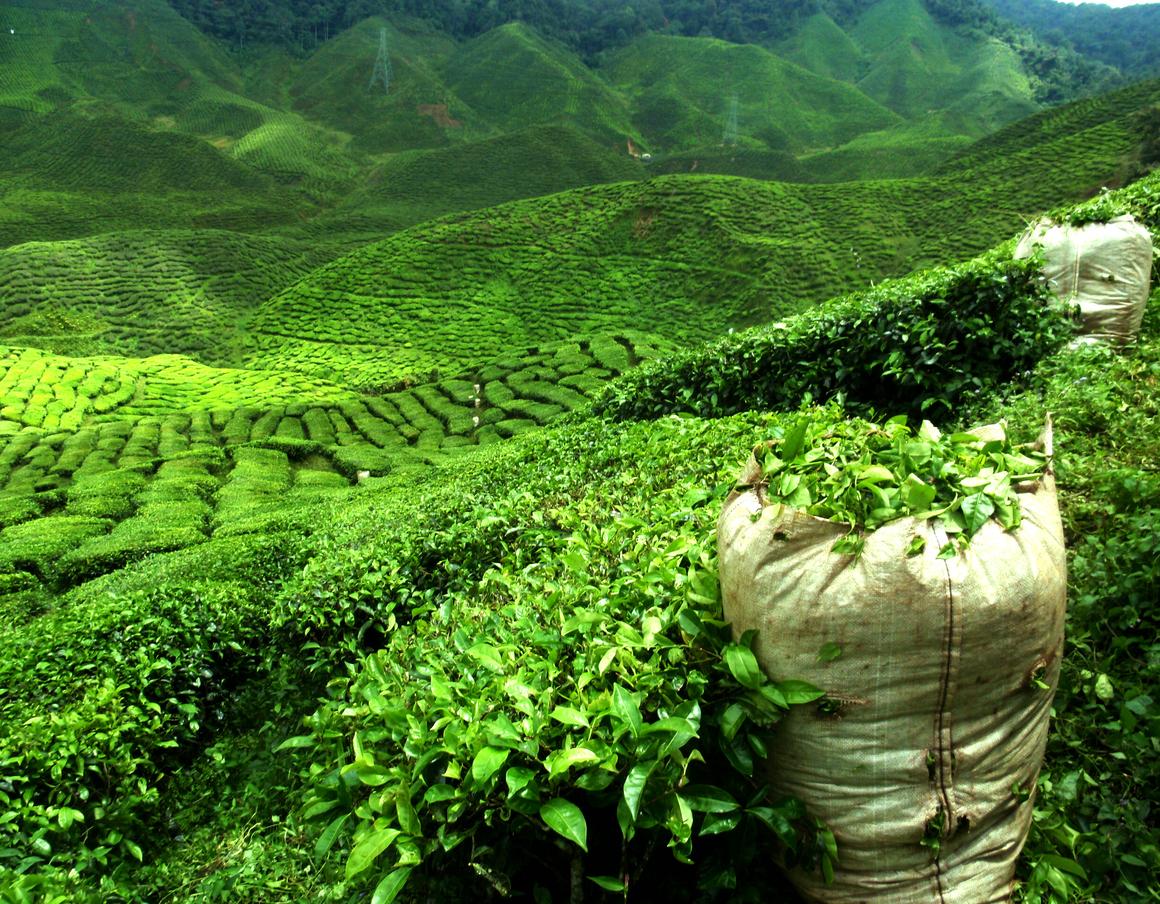
Nestled in the foothills of the Himalayas, Makaibari TeaEstate is a place of serene beauty and tranquility. It is one of the oldest tea estates in Darjeeling, West Bengal, known for producing some of the finest teas in the world. A tea tasting tour in Makaibari is a unique experience that allows you to indulge in the rich aroma and flavors of freshly brewed tea while immersing yourself in the history and culture of this iconic tea estate. In this blog post, we will take you on a journey to explore the wonders of Makaibari Tea Estate, from its lush green tea gardens to its charming tea factory, and show you why a tea tasting tour here should be on every tea lover's bucket list.


Here's what you can expect on a tea tasting tour of Makaibari Tea Estate.

• Introduction to Tea: 

The tour begins with an introduction to the history of tea, the tea-making process, and the different types of tea. You will learn about the various factors that influence the taste and aroma of tea, such as the soil, altitude, climate, and processing methods.

• Guided Tour of the Tea Estate: 

After the introduction, you will be taken on a guided tour of the tea estate. The tour guide will take you through the lush tea gardens, where you can see the tea plants up close and learn about the different varieties of tea grown on the estate. You will also get to see the tea processing facilities, where the tea leaves are withered, rolled, fermented, and dried.


• Tea Tasting Session: 

After the tour, you will be taken to a tea tasting room, where you can sample some of the best teas produced on the estate. The tea master will explain the different types of tea and the best way to taste and appreciate each variety. You will get to sample the estate's signature teas, including the Silver Tips Imperial, Darjeeling first flush, and second flush teas.


• Tea Pairing: 

To complement the tea tasting experience, the tour also includes a tea pairing session, where you can enjoy tea with some traditional snacks. You will learn about the best foods to pair with different types of tea and how to enhance the flavor of tea with the right food.


• Tea Buying: 

Finally, after the tasting and pairing session, you will have the opportunity to buy your favorite teas from the estate's tea shop. The shop offers a wide range of high-quality teas, including loose leaf teas, tea bags, and gift boxes.


What's the Cost of a Tea Tasting Tour in Makaibari Tea Estate?

 The cost of a tea tasting tour in Makaibari Tea Estate varies depending on the type of tour you choose and the duration of the tour. Generally, a standard tea tasting tour that includes a guided tour of the tea estate, tea tasting, and tea pairing session can cost around INR 500-1000 per person. However, the estate also offers premium tours that include additional experiences such as a visit to the tea factory or a picnic lunch in the tea gardens, which can cost upwards of INR 2000 per person.

It's best to contact the estate directly or check their website for the latest pricing and availability. It's also recommended to book your tour in advance, especially during peak tourist season, to avoid disappointment. Overall, the cost of a tea tasting tour in Makaibari Tea Estate is reasonable, considering the unique experience and high-quality teas on offer.

In conclusion, the Makaibari Tea Estate in Kurseong is a must-visit destination for tea lovers and travelers seeking an authentic experience of the tea culture in India. The tea tasting tour offers a unique opportunity to learn about the art and science of tea making and to taste some of the finest and most distinctive teas in the world. With its breathtaking natural beauty, rich history, and commitment to sustainable and ethical practices, Makaibari is not just a tea estate but a destination that captures the essence of the Darjeeling region. Whether you are a tea connoisseur or simply curious about the world of tea, the Makaibari Tea Estate is a place that will leave you with unforgettable memories and a newfound appreciation for the beauty and complexity of tea.


Read More Blog Posts

Check the availability in Makaibari Resort

A Signature Blend From Makaibari- Silver Tips Imperial Tea: A True Tea Connoisseur's Delight

Nestled in the foothills of the Himalayas lies the picturesque town of Kurseong, known for its lush tea gardens and stunning vistas. One of the most renowned tea estates in Kurseong is Makaibari, which has been producing some of the world's finest teas for over 150 years. Among Makaibari's most prized teas is the Silver Tips Imperial Tea, a delicate and luxurious white tea that is highly sought after by tea connoisseurs around the world. In this blog post, we will explore the unique qualities of Silver Tips Imperial Tea, including its flavor profile, health  benefits, and brewing recommendations. So sit back, relax, and let us take you on a journey into the world of Makaibari's Silver Tips Imperial Tea.

Makaibari Tea Estate in Kurseong, Darjeeling is renowned for producing some of the finest teas in the world. One of the most sought-after teas from Makaibari is the Silver Tips Imperial, a rare and exclusive tea made from only the youngest and most delicate tea buds.

Makaibari Silver Tips Imperial is made using only the youngest and most delicate tea buds, which are handpicked in the early morning when the dew is still on the leaves. The buds are then carefully dried and rolled by hand to preserve their delicate flavor and aroma.

The Makaibari Silver Tips Imperial has a light golden color and a delicate, floral aroma, with notes of honeysuckle and jasmine. The flavor is smooth and velvety, with a subtle sweetness and a lingering finish. This tea is best enjoyed on its own, without milk or sugar, to fully appreciate its delicate flavor.

The Makaibari Silver Tips Imperial is a rare and highly sought-after tea, with a limited production of only a few hundred kilograms each year. Its exclusivity, combined with its exceptional quality, makes it one of the most expensive teas produced by Makaibari Tea Estate.

The Makaibari Silver Tips Imperial is a testament to the skill and dedication of the tea farmers and artisans at Makaibari, who have honed their craft over generations to produce some of the finest teas in the world. This tea is a true luxury, and a must-try for anyone who appreciates the art and science of tea-making.


Why Silver Tips Imperial is costly?

The answer lies in the unique growing and harvesting techniques used by Makaibari's tea farmers.

Firstly, the tea bushes that produce the Silver Tips Imperial are grown at an altitude of over 1,800 meters, where the cool and misty climate provides the perfect conditions for the growth of delicate tea buds. The tea bushes are also grown in a rich and fertile soil that is nourished with natural compost, which gives the tea its distinctive flavor and aroma.

The tea buds used for the Silver Tips Imperial are handpicked in the early morning when the dew is still on the leaves, usually during the first flush of the growing season. Only the most tender and delicate buds are selected, which are then carefully sorted and processed by hand to ensure the highest quality.


                                 Amazon link to buy- Organic Silver Tips Imperial Oolong Tea

Unlike other teas, which are made from larger, more mature leaves, the Silver Tips Imperial is made exclusively from tea buds. These buds are covered in a fine silver-white down, which gives the tea its distinctive name and appearance. The buds are then carefully dried and rolled by hand to preserve their delicate flavor and aroma.

The result is a tea that is light and delicate, with a subtle sweetness and a complex aroma of floral and fruity notes. The Silver Tips Imperial is best enjoyed on its own, without milk or sugar, to fully appreciate its delicate flavor.

The Silver Tips Imperial is a testament to the skill and dedication of Makaibari's tea farmers and artisans, who have honed their craft over generations to produce some of the finest teas in the world. The unique growing and harvesting techniques used by Makaibari, combined with the perfect growing conditions of the region, make the Silver Tips Imperial one of the most exclusive and sought-after teas in the world.

Some potential health benefits of Silver Tips Imperial Tea of Makaibari, Kurseong:

  1. High in antioxidants: Silver Tips Imperial Tea is rich in polyphenols, which are powerful antioxidants that help protect the body against free radicals and prevent oxidative damage to cells.
  2. Boosts immune system: The antioxidants in Silver Tips Imperial Tea may also help strengthen the immune system by fighting off harmful pathogens and reducing the risk of infections.
  3. Aids in digestion: The natural compounds in Silver Tips Imperial Tea may help promote healthy digestion by reducing inflammation in the digestive tract and regulating the gut microbiome.
  4. Lowers stress and anxiety: Silver Tips Imperial Tea contains L-theanine, an amino acid that is known to promote relaxation and reduce stress and anxiety.
  5. Promotes healthy skin: The antioxidants in Silver Tips Imperial Tea may help protect the skin from damage caused by UV radiation and environmental pollutants, promoting healthy and youthful-looking skin.

It's worth noting that while there is some evidence to suggest that Silver Tips Imperial Tea may offer these health benefits, more research is needed to confirm these claims. Additionally, tea should not be seen as a substitute for medical treatment, and individuals should always consult with their healthcare provider before making any significant changes to their diet or lifestyle.


Some brewing recommendations for Silver Tips Imperial Tea :

  1. Water temperature: Silver Tips Imperial Tea is a delicate white tea and should be brewed with water that is between 175°F to 185°F (80°C to 85°C). Boiling water can damage the delicate tea leaves and result in a bitter taste.

  2. Steeping time: Steep the tea leaves for 3 to 4 minutes. Over-steeping the tea can result in a bitter taste, so it's important to keep an eye on the time.

  3. Tea to water ratio: Use one teaspoon of tea leaves for every 8 ounces (240 ml) of water. Adjust the amount of tea leaves to your taste.

  4. Teapot or infuser: Use a teapot or an infuser to brew the tea. Place the tea leaves in the infuser or directly into the teapot, and then pour hot water over the leaves.

  5. Multiple infusions: Silver Tips Imperial Tea can be infused multiple times, with each infusion revealing different layers of flavor. Try increasing the steeping time by 30 seconds for each subsequent infusion.

  6. Enjoy it plain: Silver Tips Imperial Tea has a delicate and nuanced flavor profile, and is best enjoyed on its own without any added milk or sugar.

These recommendations can be adjusted based on personal preference, but these are a good starting point for brewing Silver Tips Imperial Tea to bring out its unique flavors and aromas.


In conclusion, Silver Tips Imperial Tea is a truly exceptional tea that embodies the rich flavors and exquisite quality that Makaibari Kurseong is renowned for. As one of the most expensive teas in the world, it is a rare and coveted treasure that is well worth the investment for tea connoisseurs and enthusiasts alike. With its delicate floral aroma, smooth texture, and complex flavor profile, this tea is a true work of art that showcases the skill and expertise of the tea growers and processors at Makaibari Kurseong. Whether enjoyed on its own or paired with a decadent dessert, Silver Tips Imperial Tea is an experience that is sure to delight the senses and leave a lasting impression.

Visit Official Website of Makaibari Tea Estate for the Genuine and High Product  

Visit Makaibari Kurseong


From Savor to Health: Why Darjeeling Tea Should Be in Your Cupboard

Darjeeling tea is a popular beverage that has been enjoyed by people all over the world for decades. This tea is grown in the Darjeeling district in West Bengal, India, and is known for its unique flavor and aroma. Not only is it a delicious beverage, but it also has several health benefits that make it a great choice for those looking to improve their overall wellbeing. In this post, we will explore some of the health benefits of Darjeeling tea.


Boosts Immunity

Darjeeling tea is rich in antioxidants that help to boost the immune system. Antioxidants protect the body from free radicals that can cause damage to cells and lead to illnesses such as cancer, heart disease, and Alzheimer's. Drinking Darjeeling tea regularly can help to improve your overall health and reduce the risk of these diseases.


Promotes Heart Health

Studies have shown that drinking Darjeeling tea can help to reduce the risk of heart disease. This tea contains catechins, which are powerful antioxidants that help to improve the health of blood vessels and lower cholesterol levels. By improving the health of blood vessels, Darjeeling tea can also help to reduce the risk of stroke.


Helps with Digestion

Darjeeling tea contains tannins, which can help to improve digestion. Tannins work by reducing inflammation in the digestive tract and promoting the growth of healthy bacteria in the gut. This can help to reduce symptoms of digestive disorders such as irritable bowel syndrome and inflammatory bowel disease.


Boosts Energy

Darjeeling tea contains caffeine, which is a natural stimulant that can help to boost energy levels. Caffeine works by stimulating the central nervous system, which can help to improve mental alertness and reduce fatigue. Drinking Darjeeling tea can help to improve your focus and concentration, making it a great choice for those who need to stay alert throughout the day.


Promotes Weight Loss

Drinking Darjeeling tea can help to promote weight loss. This tea contains catechins, which can help to boost metabolism and increase the rate at which the body burns fat. By increasing the rate of fat burning, Darjeeling tea can help to reduce body weight and improve overall health.


In conclusion, Darjeeling tea is a flavorful and aromatic beverage that offers a range of health benefits. Its high antioxidant content helps to protect against chronic diseases and promote overall health, while its caffeine content provides a natural boost of energy and alertness. Additionally, the unique combination of flavonoids found in Darjeeling tea may help to improve heart health, reduce inflammation, and boost the immune system. Whether enjoyed hot or cold, Darjeeling tea is a delicious and healthful beverage that can be enjoyed as part of a balanced diet and healthy lifestyle.


Read : Why Darjeeling Tea is called as Champagnes of Teas?

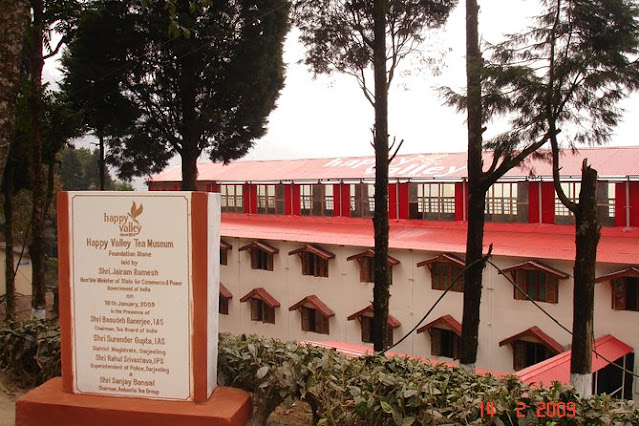
Read: Everything You Need to Know about Happy Valley Tea Garden

Crowning Glory of Indian Tea: Unraveling the Exquisite Delight of Darjeeling, The Champagne of Teas!

Darjeeling, a picturesque town nestled in the foothills of the Himalayas, is famous for its tea, which is widely regarded as the Champagne of teas. The reasons behind this title are many, and in this post, we'll explore the history and characteristics of Darjeeling tea that make it stand out.

History of Darjeeling Tea

Tea was first cultivated in Darjeeling in the mid-19th century by the British, who were looking for a suitable place to grow tea outside of China. The first tea garden was established in Darjeeling in 1856, and within a few years, the tea produced in this region gained popularity for its unique flavor and aroma.

By the early 20th century, Darjeeling tea had become a household name in Europe and was exported to countries all over the world. Today, Darjeeling tea is one of the most sought-after teas in the world, with a global market that values its unique taste and high quality.


Characteristics of Darjeeling Tea

Darjeeling tea is grown in the misty foothills of the Himalayas, where the cool, humid climate and rich soil create ideal conditions for tea cultivation. The tea is grown at an altitude of between 600 and 2000 meters above sea level, and the plants are subjected to a wide range of temperatures and rainfall throughout the year. These factors, combined with the unique terroir of the region, give Darjeeling tea its distinctive flavor and aroma.

Darjeeling tea is made from the small-leaved Camellia sinensis var. sinensis plant, which is known for its delicate flavor and aroma. The leaves are harvested by hand, and the processing of the tea is a delicate and labor-intensive process that requires great skill and expertise. The leaves are withered, rolled, oxidized, and dried to create the distinctive Darjeeling flavor and aroma.

The flavor of Darjeeling tea is often described as light and floral, with a delicate muskiness that is unique to the region. The aroma is also distinctive, with a floral and fruity character that is reminiscent of the Himalayan forests that surround the tea gardens. The tea has a light, golden color and a smooth, refreshing taste that is perfect for drinking on its own or with a light meal.


Why Darjeeling Tea is Called the Champagne of Teas

The title of the Champagne of teas is not just a marketing gimmick but is a reflection of the unique characteristics of Darjeeling tea. Just like Champagne, Darjeeling tea is known for its unique terroir, which gives it a distinctive flavor and aroma that cannot be replicated anywhere else in the world. Just as Champagne can only be called Champagne if it is produced in the Champagne region of France, Darjeeling tea can only be called Darjeeling tea if it is produced in the Darjeeling district of West Bengal, India.

Darjeeling, a small town located in the foothills of the Himalayas in India, is renowned for producing some of the finest teas in the world. The tea grown in Darjeeling is often referred to as the "Champagne of Teas," a term that connotes the tea's exceptional quality, delicacy, and complexity. In this article, we'll delve into the reasons why Darjeeling tea is given this prestigious title.


Unique Terroir

  1. Darjeeling tea is grown in a region that boasts a unique microclimate and soil composition, which are essential factors in creating the tea's exceptional taste. The high altitude, cool temperatures, and abundant rainfall provide an ideal growing environment for tea bushes. The tea leaves also absorb essential minerals from the soil, resulting in a distinct aroma and flavor that sets it apart from other teas.

  2. Exclusive Harvesting

    Darjeeling tea is harvested only during certain times of the year, making it an exclusive and highly sought-after beverage. The first flush, which is the first picking of the tea leaves in the spring, produces a light, delicate flavor that is highly prized by tea connoisseurs. The second flush, which occurs during the summer, produces a darker, fuller-bodied tea with a distinctive muscatel flavor. The autumn flush is the final harvest of the year and produces a tea with a bold and earthy taste.

  3. Hand-Picked Leaves

    Darjeeling tea is harvested entirely by hand, which is a time-consuming and labor-intensive process. This means that only the finest tea leaves are selected, ensuring that the tea has a superior taste and aroma. The hand-picking process also allows for greater quality control, as any leaves that are damaged or of poor quality can be discarded.


  4. Limited Production

    Darjeeling tea is produced in limited quantities, with only about 10,000 tons being produced each year. This makes it a highly sought-after and exclusive tea. The limited production is due to several factors, including the small size of the tea gardens in Darjeeling, the labor-intensive hand-picking process, and the short growing season.

  5. Distinctive Flavor Profile

    Darjeeling tea has a distinctive flavor profile that sets it apart from other teas. It has a light, floral aroma and a delicate, fruity flavor with a hint of astringency. The taste of Darjeeling tea can vary depending on the time of year it is harvested, with the first flush (the first harvest of the year) being the most highly prized. The first flush has a lighter, more delicate flavor, while the second flush (harvested later in the season) has a fuller, more robust flavor.

  6. Global Recognition

    Darjeeling tea has been recognized as a Geographical Indication (GI) product, meaning that only tea produced in the Darjeeling region can legally be called "Darjeeling tea." This has helped to protect the reputation of Darjeeling tea and ensure that only high-quality tea is sold under the Darjeeling name. Darjeeling tea has also won numerous awards and accolades over the years, cementing its reputation as one of the finest teas in the world.

  7. Quality Control

    To ensure that Darjeeling tea maintains its high standards, it is subject to strict quality control measures. The tea must meet specific criteria to be considered genuine Darjeeling tea. For example, it must be grown in the Darjeeling district of West Bengal, India, and must be produced from the Camellia Sinensis plant. The tea is also subject to a rigorous tasting process by expert tasters to ensure that it meets the flavor and aroma characteristics of Darjeeling tea.


In conclusion, Darjeeling tea is rightly referred to as the "Champagne of Teas" for its unmatched aroma, unique flavor, and exquisite quality. The tea plantations located in the picturesque hills of Darjeeling produce some of the finest and most sought-after teas in the world. The distinct terroir of the region, combined with the skilled expertise of the tea growers and producers, results in a tea that is unparalleled in taste and aroma. Whether enjoyed on its own or paired with delicate pastries or savory snacks, Darjeeling tea is truly a beverage fit for royalty. So, next time you sip a cup of Darjeeling tea, savor its subtle nuances and appreciate the craftsmanship and heritage that goes into producing this luxurious tea.


Experience the Majestic Flavor of Darjeeling: The Champagne of Teas!

Darjeeling tea is a type of tea that comes from the Darjeeling district in West Bengal, India. It is considered to be one of the finest teas in the world, known for its unique flavor, aroma, and light color. In this post, we will explore the history, cultivation, processing, and taste of Darjeeling tea. 

History of Darjeeling Tea

Darjeeling tea was first cultivated in the mid-19th century when the British established tea gardens in the region. The first tea garden was established in 1856 by Dr. Campbell, a civil surgeon, in the village of Darjeeling. The tea plantations were later taken over by private companies, and today, there are around 87 tea gardens in Darjeeling that produce this exquisite tea.


Cultivation of Darjeeling Tea

Darjeeling tea is grown in the foothills of the Himalayas at an altitude of 2,000 to 6,000 feet above sea level. The unique terroir of the region, with its high elevation, cool temperatures, and abundant rainfall, creates ideal growing conditions for the tea plants. The tea gardens in Darjeeling are typically small, family-owned operations( currently mostly company owned) that use traditional methods of cultivation, including hand-plucking the leaves.

Processing of Darjeeling Tea

After the tea leaves are hand-plucked, they are withered in the sun or in a warm, dry room for several hours. The withered leaves are then rolled, which releases their juices and helps to form the characteristic shape of Darjeeling tea. The leaves are then allowed to ferment, a process that develops the flavor and aroma of the tea. Finally, the leaves are fired to stop the fermentation process and to dry them.


Taste of Darjeeling Tea

Darjeeling tea is known for its delicate flavor and floral aroma. The tea has a light, golden color and a subtle astringency. The taste of Darjeeling tea can vary depending on the time of year it is harvested and the specific tea garden where it was grown. First flush Darjeeling tea, harvested in the spring, is known for its fresh, grassy flavor, while second flush Darjeeling tea, harvested in the summer, has a more mature flavor with notes of fruit and muscatel.

Types of Darjeeling Tea

There are several different types of Darjeeling tea, including:

  1.  Black Darjeeling Tea - This is the most common type of Darjeeling tea. It has a bold flavor and is often enjoyed with milk and sugar.
  2. Green Darjeeling Tea - This type of Darjeeling tea is unoxidized, which gives it a milder flavor and a light green color.
  3. White Darjeeling Tea - This is the rarest type of Darjeeling tea. It is made from the youngest leaves and has a delicate flavor with a subtle sweetness.
  4. Oolong Darjeeling Tea - This type of Darjeeling tea is partially oxidized, which gives it a unique flavor that is somewhere between black and green tea.

Darjeeling tea is one of the most renowned teas in the world, known for its unique flavor and aroma. This tea is harvested in different flushes, each with its distinctive taste and aroma. Now we will explore the first flush, second flush, and third flush of Darjeeling tea.


First Flush Darjeeling Tea

First flush Darjeeling tea is harvested in the spring, typically between March and May. The tea leaves are hand-plucked from the tea bushes that have been dormant during the winter. As a result, the leaves are tender and have a fresh, delicate flavor with floral and vegetal notes. First flush Darjeeling tea has a light, golden color and a subtle astringency. This tea is often referred to as the champagne of teas, and it is highly sought after by tea enthusiasts around the world.

Second Flush Darjeeling Tea

Second flush Darjeeling tea is harvested in the summer, typically between May and June. The tea bushes have been growing for several months and are more mature, which results in a richer and more complex flavor profile. Second flush Darjeeling tea has a full-bodied flavor with notes of fruit and muscatel. The color of the tea is deeper, with a reddish-brown hue. This tea is often enjoyed without milk or sugar to fully appreciate its unique taste and aroma.

Third Flush Darjeeling Tea

Third flush Darjeeling tea is harvested in the autumn, typically between October and November. The leaves have been growing for several months, and the tea bushes have experienced a second growth spurt. As a result, the leaves are more mature, and the flavor of the tea is more robust. Third flush Darjeeling tea has a darker color and a stronger, more assertive flavor with notes of wood and spice. This tea is often enjoyed with milk and sugar to balance out its strong flavor.


Factors Affecting the Quality of Darjeeling Tea Flushes

The quality of Darjeeling tea flushes can vary depending on several factors, including:

  1.  Weather - The weather can significantly impact the quality of Darjeeling tea flushes. For example, a dry winter can result in a low yield of first flush tea, while heavy rains during the second flush can impact the flavor and aroma of the tea.
  2. Altitude - The altitude at which the tea is grown can affect the quality of the tea. Tea grown at higher altitudes tends to have a more delicate flavor and aroma.
  3. Soil - The soil in which the tea is grown can affect the taste of the tea. The mineral content of the soil can impact the tea's flavor profile.

In conclusion, Darjeeling tea is a unique and exquisite tea that is enjoyed by tea enthusiasts around the world. Its delicate flavor and floral aroma make it a favorite among those who appreciate the finer things in life. Whether you prefer black, green, white, or oolong tea, Darjeeling tea is sure to delight your taste buds and transport you to the beautiful tea gardens of the Darjeeling district in India.

Really, Darjeeling tea is a highly prized tea that is known for its delicate flavor and floral aroma. It is a unique and exquisite tea that is harvested in different flushes throughout the year. First flush Darjeeling tea is known for its fresh, delicate flavor, while second flush Darjeeling tea has a richer, more complex flavor profile. Third flush Darjeeling tea is more robust and assertive. The quality of each flush can be affected by several factors, including weather, altitude, and soil. Regardless of which flush you prefer, Darjeeling tea is sure to delight your taste buds and transport you to the beautiful tea gardens of the Darjeeling district in India.


Discover the Rich History and Flavors of Happy Valley Tea Estate in Darjeeling

Darjeeling is renowned for its tea production, and the Happy Valley Tea Estate is one of the most famous and oldest tea plantations in the region. Established in 1854, the estate is located in the heart of Darjeeling and has a rich history of producing some of the world's finest teas. In this post, we will explore the Happy Valley Tea Estate, its history, and the unique flavors of its teas.


A Brief History of Happy Valley Tea Estate Darjeeling 

The Happy Valley Tea Estate was established in 1854 by an Englishman named David Wilson. Wilson planted the first tea bushes on the estate, and by the early 1900s, it had become one of the largest tea plantations in Darjeeling. However, the estate faced many challenges during the 20th century, including labor strikes, natural disasters, and the impact of World War II. Despite these challenges, the estate continued to produce some of the finest teas in the region.


Tea Production at Happy Valley Tea Estate

Today, the Happy Valley Tea Estate covers over 437 acres and produces a range of teas, including black, green, oolong, and white teas. The estate uses traditional methods of tea production, including hand-plucking the leaves and withering, rolling, and drying them. The teas produced at Happy Valley are known for their unique flavors and aromas, which are a result of the estate's high altitude, fertile soil, and ideal climate.

Flavors of Happy Valley Tea Happy Valley 

Tea is known for its delicate and complex flavors, which vary depending on the type of tea. The estate's black teas have a rich, full-bodied flavor with notes of caramel and honey. The green teas are light and refreshing, with a floral aroma and a hint of sweetness. The oolong teas have a unique, fruity flavor with hints of apricot and peach. Finally, the white teas are delicate and mild, with a subtle sweetness and a fresh, grassy aroma.


Sustainability and Social Responsibility at Happy Valley Tea Estate

Happy Valley Tea Estate is committed to sustainable and ethical practices, including using natural fertilizers, minimizing pesticide use, and supporting local communities. The estate also provides education and healthcare facilities to its workers and their families, ensuring that they have access to basic amenities and a good quality of life.


In conclusion, Happy Valley Tea Estate is a must-visit destination for tea lovers and anyone interested in the history and culture of Darjeeling. With its rich history, traditional tea production methods, and unique flavors, Happy Valley Tea is a testament to the region's tea-making heritage. Furthermore, the estate's commitment to sustainability and social responsibility makes it a responsible and ethical choice for tea enthusiasts.


How To Reach?

It is just 2.6 KM away from the main Darjeeling Town! It takes merely 14 minutes.